Keeping children happy and active should be every caregiver’s top priority. And to bring a child to this ideal state, adults must set them up for success by keeping the environment as conducive to their growth and well-being as possible.
Besides instilling proper hygiene standards in them, you should also promote a clean, safe environment in the places they typically frequent.
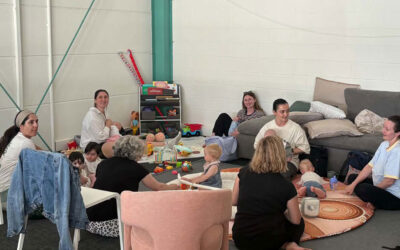
One setting that should uphold high standards of cleanliness is an early learning childcare centre. This educational facility is the child’s second home and a public space shared by many other children.
Proper hygiene and health standards aren’t only a good policy to uphold for the children’s sake, but they’re also mandated by regulatory government bodies in Australia and much of the world.
As such, early learning centres and their management teams should be very perceptive and proactive when it comes to keeping the private institution under their care as hygienic as possible.
If you’re curious to learn why cleanliness is so important in childcare centres, then read on. Let’s explore the top reasons why health and hygiene should be a top priority for early-age learning centres.
Proper Health Policies Prevent The Spread of Illnesses
One crucial reason why health and hygiene standards are a big deal in early learning settings is that they keep the entire student population safe from potential infections and illnesses.
In enclosed public spaces like classrooms, children are in close proximity to one another. They also often share toys and school supplies among their classmates.
If even just one of the students has an active viral or bacterial infection, then a subpar hygiene school policy can cause a chain reaction wherein more students get infected and come down with the illness.
Young children are especially susceptible to feeling the brunt of an illness, as their bodies and immune systems aren’t as capable of fighting off flus and infections compared to adult bodies. This may mean a more severe and unpleasant bout of the flu, or a longer time being sick and staying at home instead of engaging in productive learning.
The good news? An outbreak is preventable if the institution follows the right cleanliness standard protocols. Regular cleanliness implementation, like requiring students to wash their hands after recess and before eating, can be a good way to minimise the spread of these diseases.
Having standard health practices strictly monitored and followed helps keep children healthy and disease-free. Guardian’s approach to staying healthy in childcare is a great framework for institutions to follow as they prioritise the children’s wellbeing while still ensuring that they’re given the right education during their time in class.
When proper health policies are in place, this promotes a healthier student body within the school premises. This also lessens school liability in the event that a localised outbreak spirals and infects a larger population.
They Protect Vulnerable Children
Young children tend to be susceptible to illnesses. But some children may be even more sensitive than most, as their immune system may not be as developed as others, or they could have other health issues to take into account.
Moreover, not all parents may have the means to provide or afford a high standard of medical care to their child. This could mean a prolonged bout of an illness, more uncertainty and stress regarding the child’s health, and increased financial strain in daily life for the entire family as a direct result of the child’s health issue.
Given these facts, childcare facilities need to be one step ahead when it comes to keeping their space as clean as possible. This means that the school should promote constant, thorough, deep cleaning and proper organisation of items that may cause harm to children.
There should also be procedures in place when a child does come into contact with something potentially harmful, like teachers calling an emergency hotline if a child ingests something they shouldn’t.
By protecting vulnerable children, the childcare facility will have fewer incidents that could harm their reputation, and their student body will be safe and healthy in all aspects. In turn, this can promote a happy and healthy school culture that parents won’t hesitate to spread through word-of-mouth or re-enrol their child in.
They Don’t Hinder Learning and Attendance
Another reason why having proper health standards in place is crucial for early-age learning centres is that it maintains a smooth programme for educators to stick with.
When a portion of the student body can’t go to school because of health problems, this means that they’ll need to undergo remedial classes to bring them up to speed with the rest of the learners. Otherwise, they’ll be less likely to participate in class as much because of gaps in their knowledge.
Teaching these absent students when they get better can stretch resources thin and potentially delay the whole class’s progress, or worsen education outcomes because of less time spent on tackling the remainder of the programme.
Ideally, students should consistently attend classes to ensure that they get the best quality of education that they can receive. This starts by ensuring that they are healthy throughout the school quarter, which can be achieved on the childcare facility’s end by maintaining proper cleanliness and hygiene practices throughout the school year.
They Teach Lifelong Health Habits
Another reason why health and hygiene etiquette matters in a childcare setting is that children can carry foundational habits that they learn in these life settings.
Childcare centres often encourage children to follow proper health habits; think along the lines of washing their hands frequently, brushing their teeth after mealtime, cleaning the classroom, and covering their mouths when they sneeze or cough in public.
This presents children with a good learning opportunity to uphold proper cleaning habits in public spaces. While parents can also teach their kids the importance of cleanliness at home, having them learn its importance in a classroom setting further reinforces these positive habits.
Plus, children also partake in these hygiene habits regularly in childcare settings because their educator encourages them to do so. When instilled as part of a routine, the child can become more proactive in keeping themselves clean. In turn, this makes them less likely to become healthy individuals as they grow and adjust into adulthood in the future.
They Give Everyone Peace of Mind
A clean environment also makes the childcare centre a welcoming and desirable space for both educators and students to teach and learn.
Seeing a spotless classroom can promote a sense of calmness that a messy setting may not be able to exude. A clean space is a productive space, after all, and seeing a classroom with minimal litter can put the mind in a good state.
When the mind is at ease, teachers, parents, and children won’t have to worry about contracting illnesses in the back of their minds. Plus, they would also be less distracted by foul odours and disorganised dividers whenever they enter the premises.
All these factors combined help promote a conducive learning environment for children of all ages. And naturally, this all starts by keeping a positive hygiene culture within the four walls of the classroom.
We hope that we’ve convinced you of the importance of keeping childcare facilities clean. Stay healthy!