Key Highlights
- Junior School wellbeing programs help children name feelings, pause, and choose calmer responses during the school day.
- Strong emotional learning supports junior school students in building social skills, confidence, and emotional wellbeing.
- A caring school community makes emotional regulation easier to practise every day.
- Routines, Circle Time, and restorative talks give children clear emotional support.
- Parents and teachers working together help wellbeing programs stick beyond school hours.
- Early practice builds habits that support learning, friendships, and future growth.
Introduction
In Junior School, children are still learning what big feelings mean and what to do with them. That is why emotional regulation matters so much. Good wellbeing programs turn emotional learning into part of daily life, not an extra task. When this happens early, emotional development becomes stronger, calmer, and more consistent across learning, play, and relationships.
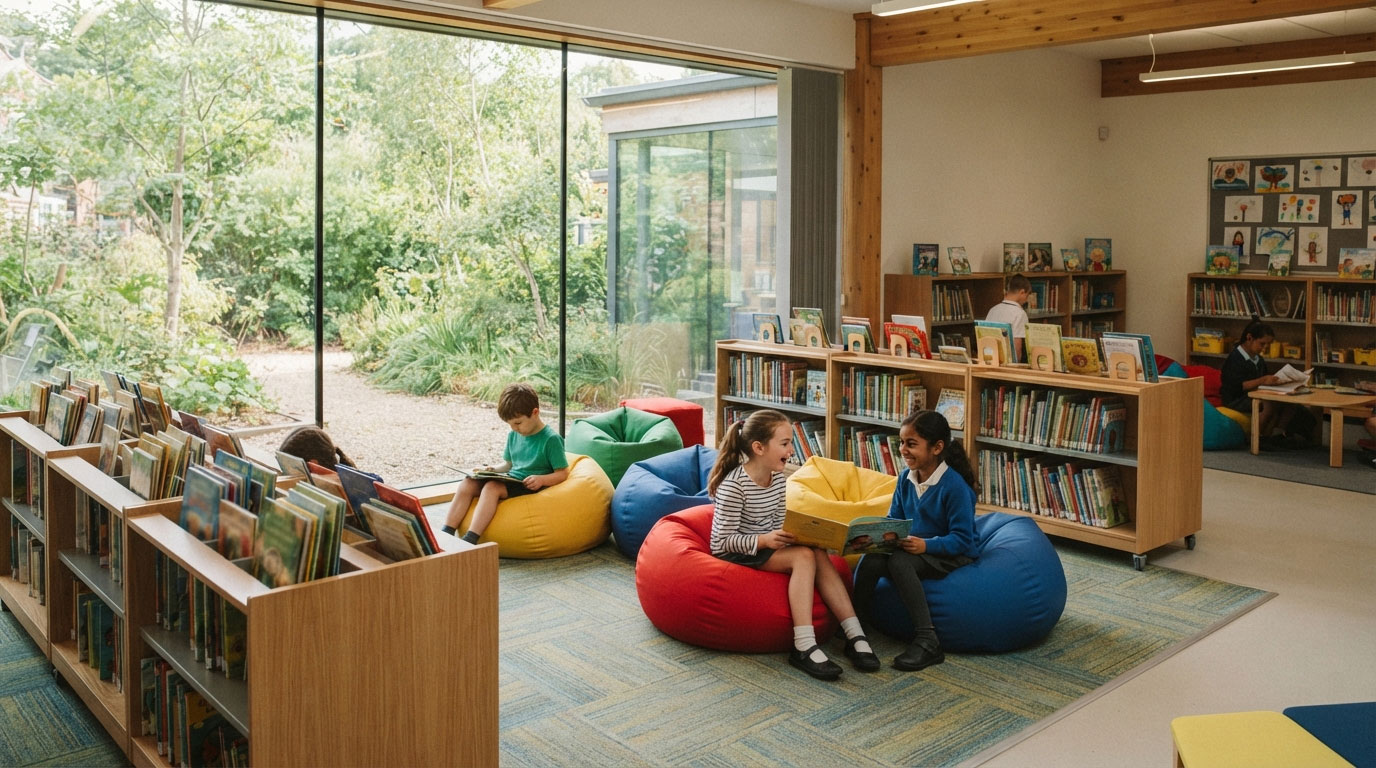
Children in a school library sitting on beanbags
The Importance of Wellbeing Programs in Junior School
Children in the early years need more than academic teaching. They also need emotional support that helps them manage frustration, excitement, conflict, and change. This is where wellbeing programs matter.
At Overnewton, wellbeing underpins Junior School programs and shapes school culture. In a nurturing environment, children learn emotional regulation alongside learning routines, which supports mental health and helps them feel safe, connected, and ready to learn. The next areas show how this works in practice.
Why Emotional Regulation is Critical for Young Learners
Emotional regulation is critical because young people often feel first and think second. In Junior School, that can look like tears after a mistake, anger during a game, or worry at drop-off. Children need simple ways to respond.
When schools teach these skills early, emotional development becomes more steady. Students start to recognise body signals, name feelings, and ask for help before a small problem grows.
This benefits the whole school community. Children can join learning faster, repair friendships more easily, and feel a stronger sense of belonging. That mix supports calmer classrooms and more positive relationships throughout the day.
How Early Interventions Shape Future Success
Early intervention works because habits form quickly in the early years. If a child learns how to settle, reflect, and rejoin a task in Prep or Year 1, that skill can support them for years.
Overnewton’s Prep Transition Program is a strong example. School readiness interviews and gradual group sessions help staff understand each child’s social and emotional preparedness before full school routines begin.
That careful start supports mental health and academic success. Children enter class with more confidence, clearer expectations, and growing emotional learning skills, which makes it easier to cope with change, follow routines, and build trust with teachers.
Core Components of Junior School Wellbeing Initiatives
Strong wellbeing programs are built into everyday school life. They do not sit outside learning. Instead, emotional learning is woven through routines, relationships, and shared expectations.
At Overnewton, this supportive environment includes Circle Time, restorative practices, values-based learning, and structured classroom support. These elements work like SEL programs by helping children reflect, communicate, and regulate themselves in real moments, not only during special lessons.
Social and Emotional Learning in the Classroom
Classroom-based emotional learning works best when it feels normal and repeated. In a supportive setting, teachers can guide children through feelings, choices, and problem-solving while still teaching core subjects.
At Overnewton, students help create agreements for learning and play. That gives them ownership and turns expected behaviour into something shared, not imposed.
- Class agreements help children understand fairness and responsibility.
- Circle Time builds social skills through listening and speaking.
- Restorative conversations teach students to understand impact and repair harm.
These simple SEL programs support academic achievement because calmer children can focus, participate, and work with others more effectively.
Building Emotional Regulation Through Everyday Junior School Activities
Children do not learn self-control from talk alone. They learn it through repeated action across the learning process, from class transitions to teamwork outside.
That is why everyday learning experiences matter. Physical Education, play, inquiry tasks, performances, and outdoor activities all create chances to practise waiting, listening, coping, and trying again. These repeated moments build emotional regulation and support positive mental health over time.
Practical Examples: Classroom Routines That Foster Self-Regulation
Activities that support self-regulation in Junior School include predictable routines, guided reflection, and shared problem-solving. These help children anticipate what comes next and manage emotions.
At Overnewton, examples are the Prep Transition process and regular use of circles and classroom agreements, which clarify behaviour expectations.
- Start with familiar group routines before new activities.
- Use circles to reflect after friendship issues or disruptions.
- Review shared agreements when emotions impact learning.
Such routines provide structure without pressure, meeting children’s needs.
Play-Based Strategies for Emotional Understanding
Play-based learning gives children a safe way to test feelings, rules, and choices. During the school day, play often reveals what a child is finding hard before they can explain it in words.
Overnewton supports this through collaborative activities in House events, Performing Arts, and group Physical Education. These settings help children handle winning, losing, taking turns, and solving small conflicts with others.
- Team games build patience and cooperation.
- Drama and music help children express feelings safely.
- House activities shift thinking from “me” to “we”.
That is how emotional understanding and relationship skills grow in natural, meaningful ways.
The Role of Teachers and Parents in Junior School Emotional Wellbeing
Children make faster progress when the adults around them use similar messages and routines. Emotional wellbeing improves when school staff and parents work as one team.
Overnewton describes education as a partnership. That matters because emotional support is strongest when home and school respond to needs in connected ways. Teachers guide the school day, while parents reinforce language, expectations, and calm habits beyond the classroom.
Effective Teacher Approaches for Supporting Emotions
Teachers support emotions best when they are calm, clear, and consistent. Children do not just hear what adults say. They copy how adults respond in stressful moments.
At Overnewton, effective teacher approaches include restorative conversations, guided reflection, and regular relationship-building through circles. These strategies strengthen emotional support without removing boundaries.
- Model calm language during conflict.
- Help students explain impact, not just rules broken.
- Use regular check-ins to build trust and relationship skills.
This approach supports academic outcomes because students feel safer, more understood, and more willing to re-engage after hard moments.
Partnering With Parents to Reinforce Emotional Skills
Parents play a key role because emotional skills need practice in more than one place. If a child uses reflective language at school but not at home, progress can slow.
Overnewton’s partnership model makes this easier. When parents understand school routines, values, and expectations, children get more consistent messages about behaviour, emotions, and repair.
- Use the same feeling words children hear at school.
- Ask what happened, who was affected, and how to fix it.
- Praise effort when children calm themselves or speak honestly.
This consistency helps build positive relationships across the whole school community.
Conclusion
In conclusion, junior school wellbeing programs are crucial for developing emotional regulation in young learners. By incorporating social-emotional learning, mindfulness, and practical routines, these programs help students manage their emotions effectively. Collaboration between teachers and parents reinforces these skills, providing consistent support at school and home. Prioritising wellbeing in education creates nurturing environments for children. For guidance on implementing effective wellbeing strategies, contact us for a free consultation.
Frequently Asked Questions
How do Junior School wellbeing programs measure improvement in emotional regulation?
Schools often track emotional regulation through observation, student reflection, behaviour patterns, and classroom participation. In a supportive setting, this kind of data collection can also show links to academic growth, engagement, and whether students are using available mental health resources appropriately.
What challenges do schools face when teaching emotional regulation to young students?
One challenge is that young children struggle to explain complex feelings in challenging situations. Schools also need consistent professional development so staff can respond well to different emotional needs, including early mental health issues that may affect learning, behaviour, and relationships.
How are Australian Junior School wellbeing programs unique?
Australian Junior School wellbeing programs often connect closely with the Australian Curriculum and use a holistic approach. At Overnewton, this includes values education, restorative practices, and partnership with community members, creating a supportive environment where wellbeing programs sit within daily learning rather than beside it.