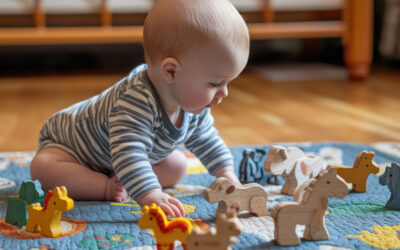
How many kids do you have at home?
One child or a full house, kids use water throughout the day for brushing their teeth, showering, and washing their hands.
According to the Raising Children Network, by age four, children are starting to follow rules, play more cooperatively with others and use their imagination during play. This gives you an opportunity to make water-saving lessons more fun through games, challenges and everyday activities.
Instead of only telling kids to use less water, you can turn the lesson into something they can participate in, such as a tap-off challenge while brushing their teeth or a shower-timer game.
Why Teach Kids to Save Water Early?
Learning about water conservation at an early age helps children understand that clean water is a resource that shouldn’t be wasted. It also introduces them to the importance of water for drinking, preparing food, hygiene, growing food and supporting communities.
Teaching children why water needs to be used carefully helps them understand the purpose behind these activities. Experts from SJ Plumbing and Gas also highlight practical ways households can reduce water waste at home. Here are seven fun ways to get your kids involved.
#1 Race the Shower Timer
Turn shower time into a challenge by giving your child a four-minute timer. See if they can finish before it goes off while still having enough time to wash properly. The average shower in Western Australia lasts more than six minutes, while water-saving guidance recommends keeping showers to four minutes or less.
You can make the challenge more interesting by recording each shower time on a weekly chart. This helps kids understand that reducing the time spent in the shower can also reduce the amount of water they use.
#2 Take the Tap-Off Toothbrushing Challenge
Make a small chart for the bathroom and give your child a tick each morning and night when they remember to turn off the tap without being reminded. For families with several kids, give each child their own row and combine their ticks to reach a shared weekly goal. This teaches your kids that the tap doesn’t need to keep running when they’re not using the water.
#3 Play Water Leak Detective
Walk around the house together and see if your kids can spot or hear any drips. Check taps in the bathroom, kitchen and garden, and listen to the toilet after it has been flushed. You can keep a simple “leak detective” sheet and give them a tick for every clue they find.
#4 Fill-the-Bucket Challenge
With your supervision, place a measuring container or bucket under a tap. Before turning it on, ask your child to guess how much water they think will come out in 10 seconds.
Run the tap for 10 seconds, turn it off and check how much water you collected. For example, if the bucket contains 2 litres, show them what 2 litres of water actually looks like.
For older kids, you can take the activity further by working out how much water the tap would use in one minute: 2 L × 6 = 12 L per minute
#5 Start a Family Water-Saving Scoreboard
Put your household’s water-saving habits somewhere the whole family can see them. Create a weekly scoreboard with a few specific actions:
→ Turn the tap off while brushing
→ Finish your shower before the timer
→ Report a dripping tap or running toilet
→ Avoid leaving outdoor taps running
→ Use water carefully when helping in the garden
Set a weekly household target and see if everyone can reach it together. You can also change the activities every few weeks so the scoreboard doesn’t become something everyone stops noticing.
#6 Play the Plant Watering Game
Give your child a watering can and choose a few plants for them to look after. The challenge is to water the plants carefully without wasting water on paths, walls or other areas that don’t need it.
Fill the watering can to a marked level and see how many plants they can water with that amount. Show them how to pour the water slowly around the base of each plant, where it’s needed.
Once they’re finished, ask them to check how much water is left in the can. This helps kids see that careful watering can make a limited amount of water go further.
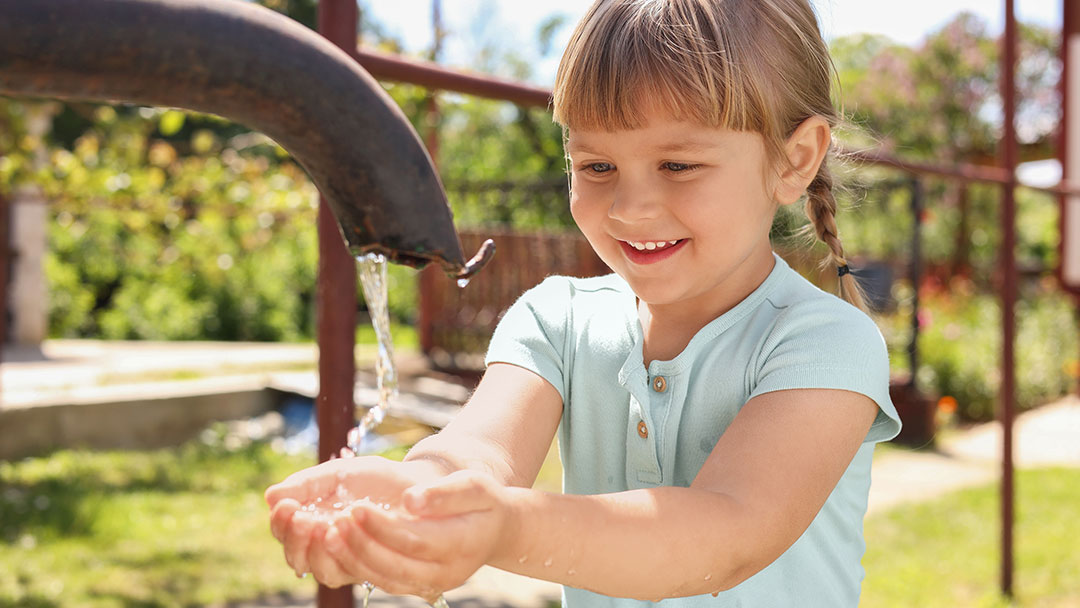
Young girl at a playground cups water from a fountain with a smile, sunlit greenery in the background.
#7 Take the Half-Cup Challenge
When your child needs water for rinsing after brushing, ask them to guess how much they’ll actually use before filling the cup. Mark a few levels on the cup so they can choose one.
After rinsing, check how much water is left. If there’s still some in the cup, they can choose a lower level next time.
Help Kids Keep Saving Water
Fun activities can spark their interest, but regular practice helps water-saving actions become everyday habits. You can help make those habits easier to remember by:
✓ Putting a sticker near the bathroom tap as a reminder to turn it off.
✓ Keeping a timer in the bathroom for the shower challenge.
✓ Using a weekly chart to track their water-saving actions.
✓ Giving them a sticker when they remember without being prompted.
Turn off taps, keep showers short and avoid wasting water in the garden to reinforce the habits you’re teaching them. Use pictures, stickers and short challenges for younger kids, and give older kids more responsibility for tracking their water-saving habits.
Related Reads
Who is the biggest energy waster in your household?
The environmental impact of moving house: How removalists are going green