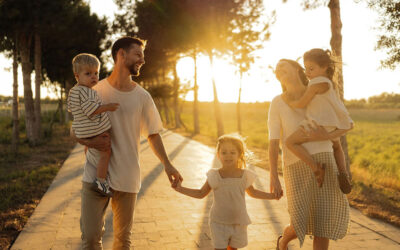
If your kids have been campaigning for a puppy, you’re in good company. Australia is one of the most dog-loving nations on earth, and the family home is where most of those dogs live. According to recent Australian dog ownership statistics, nearly half of all households here share their home with at least one dog — that’s around 5.24 million homes and roughly 7.3 million dogs nationwide. For a lot of families, a dog becomes as much a part of the household as the kids themselves.
But bringing a dog into a busy family is a bigger decision than the puppy-eyed campaign makes it look. Here are the things worth thinking through before you say yes.
Budget for the real cost, not just the cute stage
Puppies are adorable and, briefly, cheap. The ongoing reality is more sobering: dog-owning households spend an average of around $2,520 a year once you factor in food, vet visits, parasite prevention and the inevitable replacement of chewed-up belongings. Building that into the family budget upfront saves a lot of stress later, and it’s a useful conversation to have with older kids who are promising to “do all the work.”
Match the dog to your household, not the other way around
Energy level, size and temperament matter enormously when there are children in the house. A high-energy working breed in a small backyard is a recipe for frustration for everyone, including the dog. Think honestly about your space, your routine and how much daily exercise your family can realistically commit to — about 70% of Aussie owners walk their dog every day, and a bored dog is far more likely to become a destructive one.
Plan for chewing before it starts
Speaking of destructive: chewing is one of the first things that catches new dog-owning families off guard. Puppies chew while teething, and plenty of adult dogs are committed demolishers for life. The fix isn’t to scold — it’s to give them something appropriate to destroy instead of the kids’ toys, the couch, or your good shoes. A small set of durable dog toys built for power chewers does a lot of heavy lifting here: a tough rubber treat-stuffer you can freeze for hot Queensland afternoons keeps a dog busy and mentally tired, which is exactly what you want in a home full of activity. A worn-out dog is a well-behaved one. Just remember to keep the dog’s toys visibly separate from the children’s, so neither learns to raid the other’s basket.
Teach the kids the safety basics
Even gentle family dogs have limits, and young children don’t always read the signals. Roughly 9,700 Australians were hospitalised after dog bites in 2023-24, and family dogs aren’t immune. Simple household rules — never disturb the dog while it’s eating or sleeping, no hugging around the neck, always ask before patting an unfamiliar dog — go a long way, and they’re worth teaching from day one.
The payoff
Done thoughtfully, a family dog is one of the great childhood experiences: companionship, responsibility, daily outdoor time and a best mate who’s always pleased to see you. The families who thrive are simply the ones who go in with eyes open — realistic about the cost, the exercise, the chewing and the safety basics. Get those right, and the rest is just a lot of happy chaos and muddy paw prints.