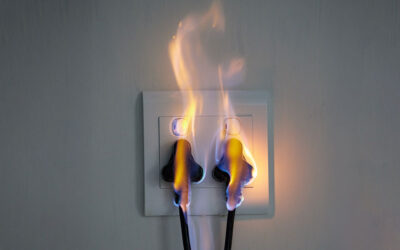
Electrical emergencies in rental properties require prompt action to protect tenants, prevent property damage and reduce the risk of serious injury. From sparking power points and burning smells to repeated circuit breaker trips and unexpected electric shocks, recognising an electrical hazard early can help prevent a minor fault from becoming a major incident.
For tenants, knowing how to report an electrical problem and what to avoid touching is essential. For property managers, responding quickly, arranging qualified repairs and keeping accurate records helps ensure that safety concerns are addressed appropriately.
Understanding what to do during an electrical emergency allows everyone involved to make safer, more informed decisions.
What are the most common electrical emergencies in rental properties?
Electrical faults can develop without warning, particularly in properties with ageing wiring, damaged fittings, faulty appliances or electrical systems exposed to moisture.
Some common warning signs include:
- Sparking power points: Sparks, scorch marks or discolouration around an outlet may indicate a dangerous electrical fault.
- Burning smells: A persistent burning or melting-plastic smell near a switchboard, outlet or appliance may indicate overheating.
- Repeated circuit breaker trips: A circuit that repeatedly trips may have an overloaded circuit, faulty appliance or wiring problem.
- Electric shocks or tingling sensations: Shocks from taps, metal fittings or electrical appliances may indicate a potentially serious fault.
- Exposed or damaged wiring: Frayed cables, loose connections and broken electrical fittings can create a risk of electric shock or fire.
- Electrical faults following water damage: Flooding, roof leaks or moisture around electrical installations can make affected areas dangerous.
Any suspected electrical hazard should be treated seriously. Tenants should stop using the affected equipment, keep others away from the area and report the issue promptly. If there is smoke, fire or an immediate threat to life, evacuate if necessary and call emergency services on 000.
What should tenants do during an electrical emergency?
The priority during an electrical emergency is to protect people, not to diagnose or repair the fault. Tenants should follow these steps to reduce the risk of injury.
- Keep away from the hazard: Do not touch sparking outlets, exposed wires, damaged appliances or electrical equipment that may be wet. If someone is receiving an electric shock, do not touch them while they may still be in contact with the electrical current. Call 000 if there is an immediate threat to life and follow the emergency operator’s instructions.
- Stop using the affected equipment: If an appliance appears faulty, stop using it and keep others away. Do not attempt to unplug equipment if doing so would require approaching exposed wires, water or another unsafe area.
- Notify the property manager or landlord immediately: Use the emergency contact details provided in the tenancy agreement. Clearly explain the problem, its location and whether anyone has been injured or the property has been damaged. Report serious hazards immediately rather than waiting for routine maintenance.
- Contact the relevant emergency service or electricity network operator: If the problem involves fallen power lines, electric shocks from metal fittings or a wider electricity network hazard, contact the relevant electricity distributor. In Western Australia, Western Power can be reached on 13 13 51, while Horizon Power can be reached on 13 23 51. Call 000 for a life-threatening emergency.
- Record the incident when it is safe: Take photographs from a safe distance if possible, note when the problem started and keep copies of messages sent to the property manager. This information can help the repair process and provide a useful record of the incident.
Tenants should never attempt electrical repairs themselves or assume that a circuit is safe simply because the power has stopped working.
What are the responsibilities of property managers during an electrical emergency?
Property managers play an important role in coordinating a safe and timely response to electrical faults. Their actions can help protect occupants, limit further damage and ensure that repairs are completed by appropriately qualified professionals.
The first step is to assess the reported urgency using the information available, without asking tenants to investigate the hazard themselves. A suspected dangerous electrical fault, electric shock or exposed wiring should be treated as a safety priority.
Property managers should then arrange an appropriately licensed electrician to inspect the affected installation and carry out the required repairs. If the issue involves the electricity network rather than the property’s internal wiring, the relevant network operator may also need to attend.
Clear communication is equally important. Tenants should receive updates about the next steps, access arrangements and any restrictions they need to follow while the property is being assessed. Where an area may be unsafe, access should remain restricted until the appropriate professional or authority confirms it is safe.
Property managers should also maintain records of the initial report, actions taken, contractor attendance, findings and completed repairs. These records support accountability and help identify recurring maintenance issues.
Specific obligations and timeframes vary by jurisdiction, so property managers should follow the applicable residential tenancy requirements and emergency repair procedures.
When should an emergency electrician be called?
Not every electrical issue requires the same response, but certain warning signs demand immediate attention.
| Electrical problem | Recommended response |
|---|---|
| Smoke, flames or an immediate threat to life | Evacuate if necessary and call 000. |
| Electric shock or tingling from taps, pipes or metal fittings | Keep away from the affected area and contact the relevant electricity network operator. Seek medical assessment after an electric shock. |
| Sparking outlets, burning smells or exposed wiring | Keep people away and arrange urgent assessment by a licensed electrician. |
| Repeated circuit breaker trips | Stop using the affected circuit or equipment and arrange professional inspection. |
| Complete power loss affecting a single property | Check for a wider outage from a safe location and contact the relevant provider or a licensed electrician as appropriate. |
| Electrical equipment or fittings affected by flooding | Do not touch or operate affected equipment. Arrange professional assessment before use. |
A licensed electrician can investigate faults involving wiring, switchboards, power points, lighting and fixed electrical equipment. However, faults affecting the external electricity network may require the network operator rather than an electrician working on the property’s internal installation.
When a serious fault occurs, an electrician emergency response should focus on making the area safe, identifying the cause and completing the necessary repairs before the affected equipment is returned to service.
How can property managers reduce the risk of future electrical emergencies?
Preventive maintenance can help identify electrical problems before they become emergencies. Property managers and property owners should establish a practical process for reporting, inspecting and addressing electrical concerns.
Useful preventive measures include:
- Arrange appropriate electrical inspections: Have electrical installations assessed by a licensed electrician when required, following significant damage or when warning signs are reported.
- Address recurring faults: Repeated breaker trips, flickering lights, unusual appliance behaviour and overheating should be investigated rather than repeatedly reset or ignored.
- Maintain safety switches: Ensure required safety switches and other protective devices are installed and maintained in accordance with applicable requirements.
- Keep emergency contacts accessible: Provide tenants with clear instructions for reporting urgent repairs, including after-hours contact details.
- Review previous incidents: Repeated faults at the same property may indicate an underlying issue that needs a more comprehensive investigation.
- Educate tenants about electrical safety: Explain the importance of reporting hazards promptly and avoiding DIY electrical repairs.
A documented maintenance process helps property managers respond consistently while reducing the likelihood that an electrical fault will remain unresolved.
How can tenants find qualified electricians in Perth’s northern suburbs?
When an electrical fault occurs, knowing how to find the right professional can make the response process more straightforward. Tenants should report the issue through the designated property management or emergency repair channel, while property managers can arrange an appropriately licensed electrician based on the urgency and nature of the fault.
For properties across Perth’s northern suburbs, working with experienced electricians northern suburbs can help property managers coordinate residential electrical inspections, fault diagnosis and repairs. Choosing a qualified electrician helps ensure electrical issues are assessed professionally and addressed with safety as the priority.
An electrician experienced in residential electrical work can investigate issues such as faulty power points, lighting problems, switchboard concerns and damaged wiring. For more serious hazards, the immediate priority remains isolating the danger through appropriate emergency procedures and preventing anyone from entering the affected area.
Having access to reliable electricians in the northern suburbs can help property managers coordinate inspections and repairs for residential properties across their service area.
What should tenants and property managers remember about electrical emergencies?
Electrical emergencies require a clear, safety-first response. Tenants should keep away from hazards, notify the property manager or landlord promptly and avoid attempting repairs. Property managers should assess the reported urgency, arrange qualified professional assistance, communicate with occupants and document the actions taken.
Recognising warning signs such as burning smells, sparking outlets, exposed wiring and electric shocks can help prevent further harm. Regular maintenance and clear emergency procedures also make it easier to respond effectively when a fault occurs.
By prioritising safety, communication and professional repairs, tenants and property managers can reduce electrical risks and help maintain safer rental properties.
Related Reads
Where to start when shopping for an electric scooter in Perth
5 Top Educational Historic Attractions To Visit in Perth
What Should You Expect From Professional Bathroom Renovation Services in Perth, Western Australia?