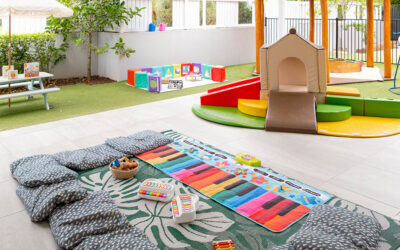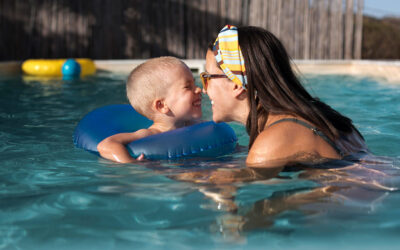
School readiness is about far more than knowing letters and numbers; it is about building independence, curiosity, and a love of learning.
Starting Prep is one of the biggest milestones in a young child’s life. For parents and carers, it is an exciting milestone, often mixed with a few natural jitters. While many families wonder whether their child is truly “ready”, school readiness extends far beyond basic academic knowledge. At its heart, it is about developing confidence, practical independence, emotional resilience, and a genuine enthusiasm for discovery.
At local schools like The Lakes College, the Prep program is intentionally designed to support a smooth transition through a play and project-based approach inspired by the Walker Learning pedagogy. Children are encouraged to explore, question, create and collaborate in an environment where learning feels meaningful. This hands-on foundation builds critical communication, problem-solving, and social skills that set children up for lifelong success.
While every child develops at their own pace, the months leading up to Prep provide wonderful opportunities to build these foundations at home.
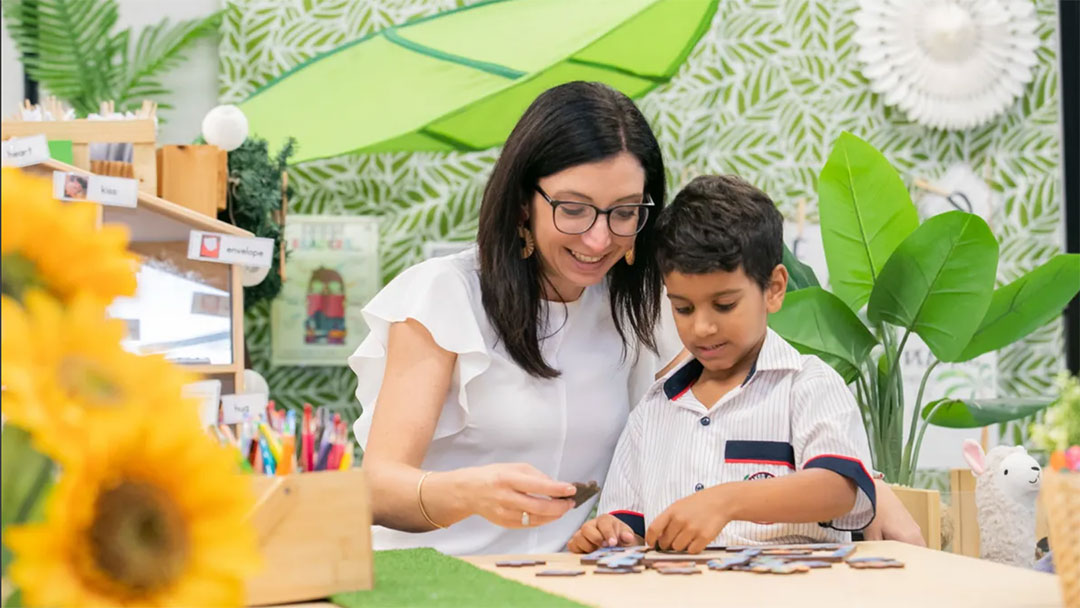
The Lakes College Prep program encourages children to explore, question, create and collaborate through hands-on learning.
School readiness starts at home
The lead-up to Prep offers plenty of simple, everyday moments to cultivate the practical and emotional skills children will rely on at school. Reading together, encouraging imaginative play, chatting about daily experiences, and establishing predictable routines all help children feel secure and capable.
One of the most valuable gifts parents can offer is the gift of self-reliance. Simple household tasks teach children that they are capable of looking after themselves, giving them the confidence to navigate the school environment independently.
Packing a lunchbox for success
A healthy lunchbox keeps energy levels steady and concentration high throughout the active school day. For Prep students, simplicity and accessibility are key.
Packing a nutritious fruit break — such as a banana, mandarin, or sliced watermelon — helps power morning learning. For main breaks, stick to familiar, easy-to-manage options like sandwiches, wraps, cheese and crackers, or savoury muffins. Keep in mind that children often eat slightly less during their first few weeks as they adjust to new routines, so packing tasty, well-liked foods is always the best strategy.
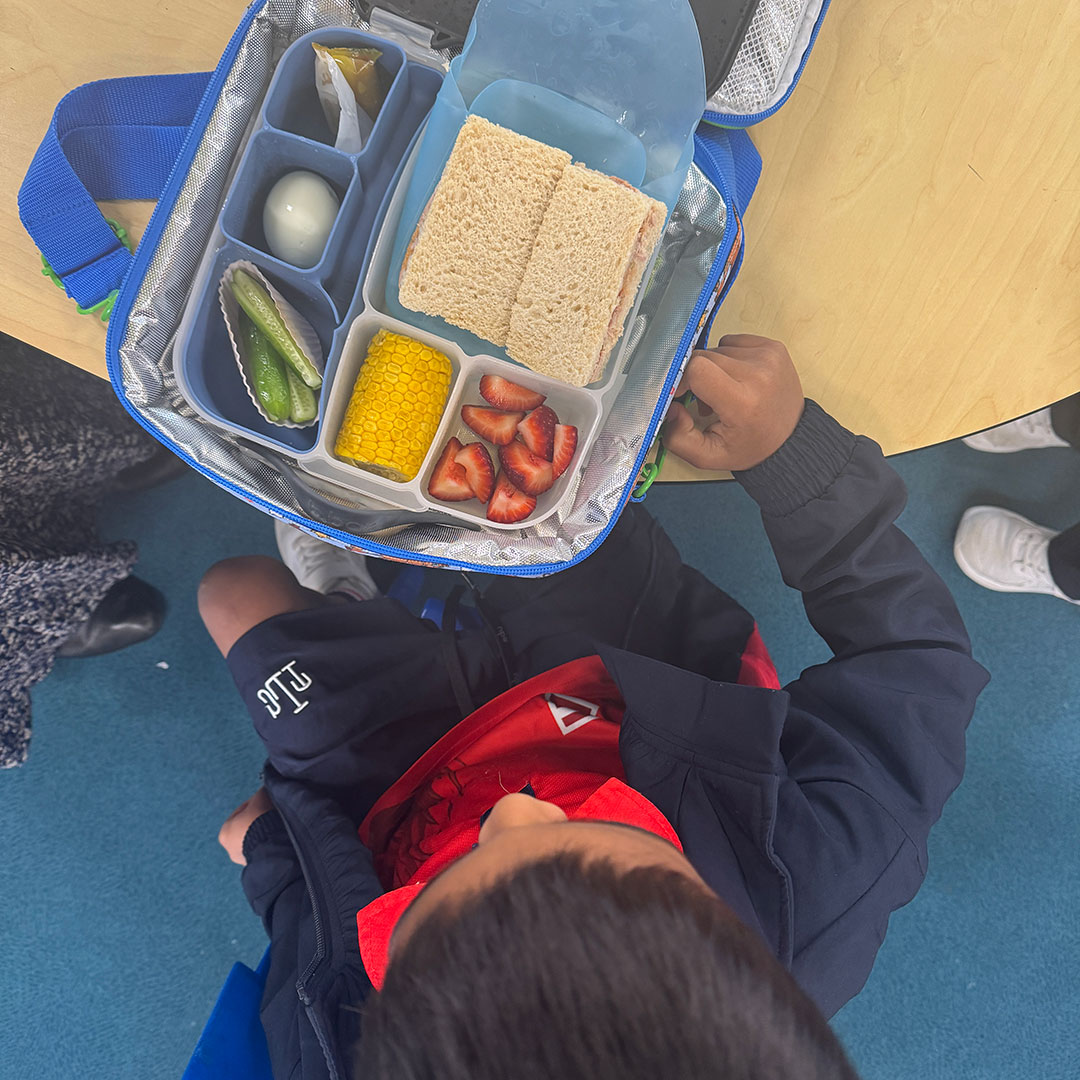
Simple, familiar and easy-to-manage foods can help Prep students stay fuelled throughout the school day.
10 practical ways to prepare for Prep
- Practise opening lunch containers: Choose lunchboxes and drink bottles that little hands can manage independently, and give them a test run during weekend picnics.
- Master bag packing: Involve children in packing their lunchbox, water bottle, and wide-brimmed hat each morning.
- Build self-care habits: Encourage independence with dressing, putting on shoes, washing hands, using the toilet and managing personal belongings.
- Recognise and write their name:
Being able to identify their first name in writing helps children locate personal items and feel connected in the classroom. - Read together daily: Just 10 minutes
of shared reading a day expands vocabulary, strengthens listening skills and sparks imagination. - Follow multi-step directions: Playful games like Simon Says help children practise listening and following two or three-step instructions.
- Nurture social skills: Create opportunities to practise sharing, taking turns, asking for help politely, and playing cooperatively with peers.
- Establish predictable routines: Consistent bedtimes and calm morning routines ensure children arrive at school well-rested and ready to learn.
- Encourage natural curiosity: Explore outdoor spaces, build with blocks, draw, ask open-ended questions and leave plenty of room for unstructured play
- Speak enthusiastically about school: Children naturally mirror adult emotions. Framing school as a positive adventure builds anticipation for making friends and meeting new teachers.
A quick drop-off tip: Always say a clear, warm goodbye. While it might be tempting to slip away quietly while a child is happily distracted, leaving without a quick sign-off can create uncertainty. A confident hug and reassurance that a parent will return at the end of the day builds lasting trust and emotional security.
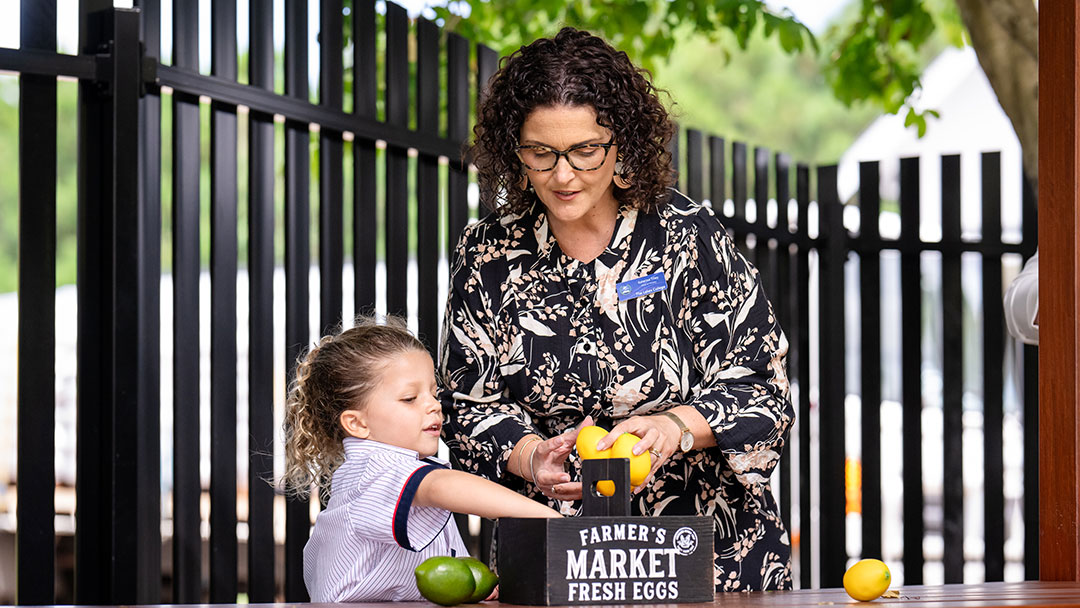
Meaningful, hands-on learning helps young children build communication, problem-solving and social skills.
Making the first day a positive milestone
As the big day approaches, gentle preparation helps ease morning nerves. Practising putting on the uniform, packing the school bag, and talking through what a typical day looks like can remove much of
the unknown.
On the first morning, arriving with ample time allows children to unpack their bags and settle into an activity comfortably. Knowing where their personal space is gives young learners an immediate sense of belonging.
Starting strong
Starting Prep is the beginning of an extraordinary journey filled with friendship, discovery, and personal growth. By focusing on independence, emotional security, and curiosity rather than perfection, families can ensure their child steps into the classroom feeling capable, supported, and eager to learn.
Families looking to calculate their child’s entry year or explore modern Prep classrooms can visit thelakescollege.com.au for tour details.
Related Reads
Year 9 Students from The Lakes College Win 2025 Premier’s Coding Challenge
Unplugged and thriving at The Lakes College Year 10 Camp