
Talking to children about personal safety is one of the most daunting tasks a parent can face. But child safety advocates are reminding families that when it comes to safeguarding children, starting early is our strongest tool.
This week on the Sunshine Coast, child protection advocates Project Paradigm officially launched It’s Never Too Early, a comprehensive suite of resources designed to guide parents and carers through the tricky, often uncomfortable world of child sexual abuse prevention.
Developed in collaboration with the Australian Centre to Counter Child Exploitation (ACCCE), the newly launched campaign moves away from fear-based messaging and focuses heavily on practical empowerment. The toolkit includes a flagship practical book guide, a fully narrated audiobook available on platforms like Spotify, and a series of educational posters.
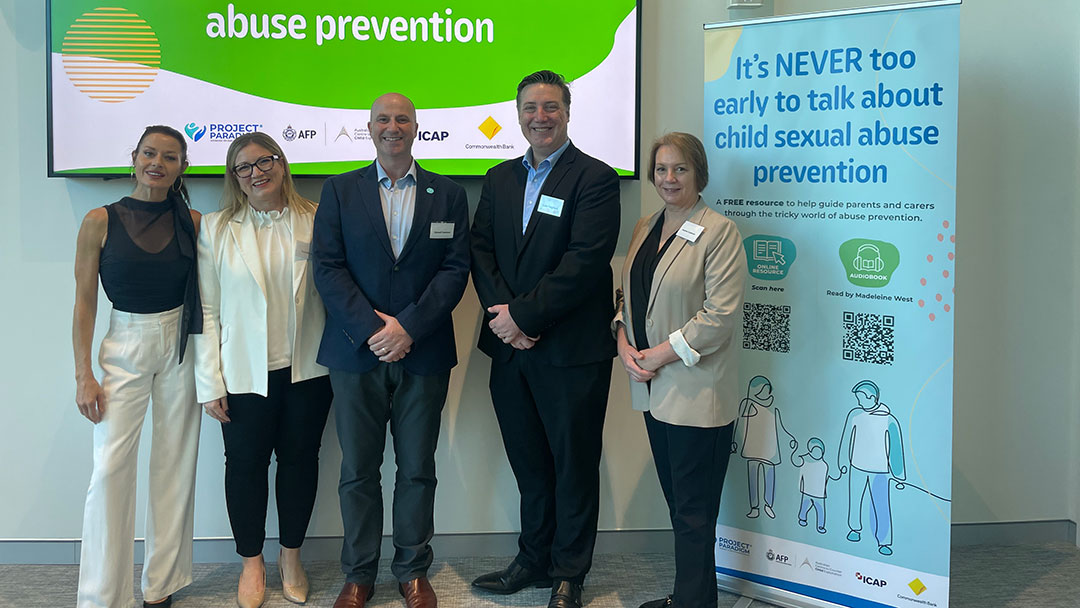
Project Paradigm launches ‘It’s Never Too Early’ resource to support parents and carers in conversations around abuse prevention
Why this resource matters
While many child safety campaigns focus on teaching the child, It’s Never Too Early focuses on empowering the adults. It is particularly geared towards expectant families and new parents, encouraging them to establish boundaries and open lines of communication long before a child is old enough to navigate the world alone.
“Conversations about child sexual abuse and exploitation prevention are ongoing and evolve with families alongside their children as they develop,” Project Paradigm highlights. The initiative acknowledges that parents aren’t just teaching their kids; they also need to know how to navigate conversations, set expectations, and advocate for their children with other adults, family friends, and care providers.
What is involved in the resource?
The It’s Never Too Early toolkit is designed to be highly accessible and digestible for busy parents:
- The Practical Guide (Book): A comprehensive breakdown of what constitutes abuse, how to set healthy boundaries, and how to confidently talk to other adults who care for your child. It also details exactly how to respond if a child ever makes a disclosure, how to find support, and how to report abuse.
Audiobook & Video Resources: Recognizing that parents are often multi-tasking, the full guide has been adapted into a free streaming audiobook (available on Spotify and YouTube) so parents can listen on the go. - Posters & Visual Aids: Quick-reference tools for community spaces and homes.
- Integrated QR Codes: Scattered throughout the printed and digital guides, these codes instantly connect parents directly to verified national support networks, emergency services, and reporting tools.
Tips for opening the conversation about abuse prevention
For parents unsure of how to begin, the resource emphasises that prevention starts with normalising everyday conversations around body autonomy and open communication. Here are a couple of key strategies parents can use to open the gateway to safe conversations:
1. Shift the focus to ‘adult-to-adult’ transparency
We often think prevention means warning our kids, but the resource notes that a critical first step is establishing boundaries with the adults in your child’s life.
How to apply it: Practice having open, matter-of-fact conversations with babysitters, relatives, and care providers about your family rules. For example, explicitly stating, “In our family, we use correct anatomical names for body parts, and we don’t force hugs or kisses if the kids say no,” sets a transparent standard of safety and lets other adults know you are actively engaged in your child’s protection.
2. Establish a “no secrets” policy early
Abuse thrives on secrecy. Long before children understand complex safety concepts, parents can lay the groundwork by building a culture of total transparency at home.
How to apply it: Reframe the concept of surprises versus secrets with young children. Teach them that surprises are good things that everyone eventually finds out about (like a birthday gift) and they make people feel happy. Secrets, however, are things that make you feel worried, unsafe, or uncomfortable, and they should never be kept from mum, dad, or a safe carer. Reinforce daily that “There is nothing you could ever tell me that would make me love you less or get you in trouble.”
If you have immediate concerns for the welfare or safety of a child, contact emergency services on 000. For confidential 24/7 support for young people, contact Kids Helpline on 1800 551 800.
Parents and carers can access the full suite of free books, audiobooks, and downloadable posters directly at Project Paradigm.
Related Reads
5 Ways to teach kids to be safe online
Push for urgent safety standards on baby carriers
A bus full of hope: SunnyKids takes support on the road