Curious about play therapy, and how to know if it’s the real deal? This powerful approach is growing fast, as more parents discover the key to children’s wellbeing may lie in the playroom.
For most children, play is more than just a way to pass the time and have fun. It’s their language, their way of making sense of the world. However, when a child faces emotional, behavioural, or developmental challenges, play can also become a powerful therapeutic tool.
Play therapy is an evidence-based, powerful psychotherapeutic approach that allows children to express and process complex emotions, experiences, and difficulties through the medium they know best: play. In the hands of a trained professional, toys, games, and creative activities become instruments of healing, growth and connection.
“Sometimes, play isn’t fun,” says Kristen Whittingham, founder of Play Plus Therapy and a registered psychotherapist with over 20 years of experience working with children. “It can be hard, frustrating, even cathartic. A child might not be able to tell you they’re scared or sad, but they’ll show you through their play.”
What is play therapy?
At its core, Play Therapy is about providing a safe, supportive space where children can explore big emotions and challenging experiences. Whether it’s navigating anxiety, adjusting to a family separation, recovering from trauma, or simply building emotional regulation skills, Play Therapy gives children the opportunity to express themselves in a developmentally appropriate way.
Through play, children learn to name their feelings, understand their reactions, and discover new ways to cope. They also learn social skills, empathy, and communication through imaginative interaction. It is suitable for both neurodivergent and neurotypical children.
Play therapy delivered by experts
Critically, Play Therapy is not just ‘playing with toys’ or offering a warm playspace. It is a clinical form of psychotherapy, and needs to be delivered by professionals with extensive training in child development, counselling, and therapeutic practice.
“This work requires deep expertise,” says Kristen. “Children in therapy are often vulnerable — they might be dealing with grief, trauma, or neurodivergent needs. You need to know you’re supporting them safely and ethically.”
Kristen holds a Master of Child Play Therapy and numerous specialised certifications, including Filial Therapy, group therapy, and the Learn to Play approach. She is also a Certified Teacher’s Optimal Relationship Approach (TORA) practitioner, equipping educators with therapeutic tools to better support children in classrooms.
“When looking for a play therapist, ask about their qualifications,” Kristen advises. “Do they have a strong foundation in child development? Are they registered with a recognised professional body? That’s how you know your child is in safe hands.”
Why do children need play to heal?
While adults can often talk their way through emotional challenges, children simply don’t have the brain development or vocabulary to do the same.
“We can’t keep putting adult expectations on children,” Kristen says. “They don’t see the world like we do. Their brains are still developing — socially, emotionally, and cognitively. Play meets them exactly where they are.”
In one memorable case, Kristen recalls working with a child who had fallen off the monkey bars at school. The child didn’t talk about it, but in the playroom, began enacting the fall with a small dollhouse staircase, guiding dolls through rescue and care scenarios. “That was the child processing the trauma in a way that felt safe and natural to them,” Kristen explains. “And they never played it out again. They’d done the work they needed to do.”
A holistic approach for families
At Play Plus Therapy, the therapeutic relationship doesn’t stop at the playroom door. The whole family is considered part of the support system.
“I often say to the parent or carer: ‘make yourself a cup of tea, put your feet up’,” Kristen smiles. “I want them to relax while I’m working with their child, because the child will borrow their calm when the session ends.”
Parents are also invited to participate in assessments and gentle check-ins. “Many times, I’ll see from the data that a parent is overwhelmed, stressed or even depressed,” Kristen notes. “So I’ll offer little strategies such as journaling, breathing tools, even just that time to rest while their child is in session. It’s about nurturing the whole system around the child.”
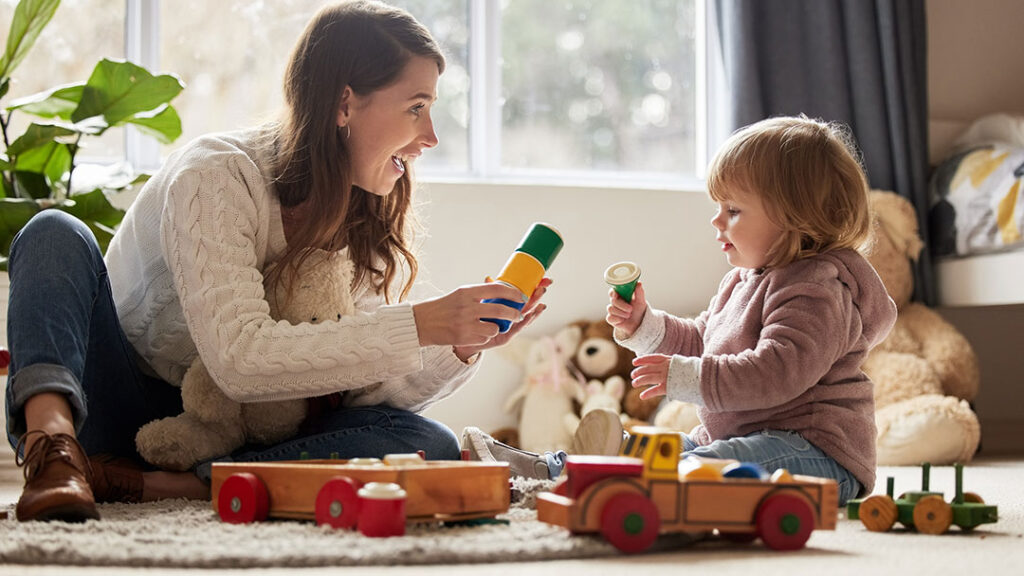
Play therapy meets kids where they are at
The bigger picture
Kristen is passionate about educating not only parents but also schools, NDIS professionals, and the wider community about the value of Play Therapy. She regularly consults with schools to equip teachers with a more therapeutic approach.
“It’s about equipping teachers to be able to identify whether a child might be having something bigger going on. Guiding teachers on how to approach the child and that situation with empathy; how to understand that every behaviour is an unmet need and it’s their way of communicating that,” says Kristen. “I truly believe there is no such thing as a problem child, just a child struggling with a problem.”
Helping children to thrive
Every child deserves to feel safe, seen, and supported. And for many, Play Therapy is the key that unlocks healing and growth.
“Play Therapy isn’t just about fixing problems,” Kristen says. “It’s about helping children build the resilience, confidence, and self-awareness they need to thrive. Not just now, but into the future.”
If your child is struggling to express their emotions, facing social challenges, or simply needs a safe space to work through big feelings, Play Therapy may be the gentle, powerful support they need.
Because sometimes, the most meaningful conversations don’t happen with words.
Play therapy can help your child with:
- Emotional expression and regulation
- Behavioural challenges
- Social skills and relationships
- Trauma and grief processing
- Self-esteem and confidence
Find out more about play therapy at Play Plus Therapy at playplustherapy.com.au
Related Stories
Art Therapy – healing the soul with a paintbrush
A Pawsitive bond: How a therapy dog became a child’s best friend
What is paediatric occupational therapy and how can it help my child?
This article is of a general nature and FYI only, because it doesn’t take into account your personal health requirements or existing medical conditions. That means it’s not personalised health advice and shouldn’t be relied upon as if it is. Before making a health-related decision, you should work out if the info is appropriate for your situation and get professional medical advice.