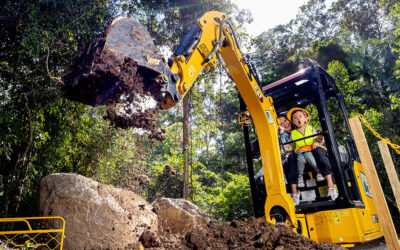
As the weather warms up and families flock to the beach, programs like Little Lifesavers are helping kids learn essential water safety skills, and have a whole lot of fun along the way.
From backyard pools to weekends at the beach, water is part of the Australian way of life. For many families, summer means sand between the toes, boogie boards under arms, and long days chasing waves. But with that comes an unavoidable truth: our love of the water also brings risk.
Despite decades of awareness campaigns, drowning remains one of the leading causes of accidental death in children. Surf Life Saving Australia’s statistics show that many incidents happen close to home, often in familiar places where families feel most comfortable.
That’s why water safety education is something every parent should take seriously, and why programs like Little Lifesavers are becoming a summer must-do.
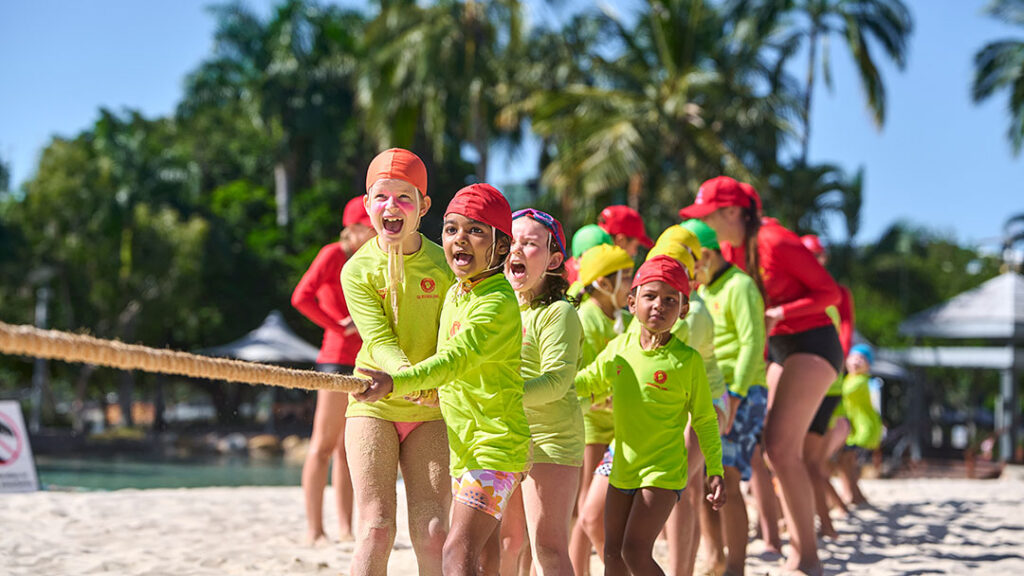
Kids playing tug-of-war at Little Lifesavers
Real skills for real situations
Run by Surf Life Saving Queensland, Little Lifesavers is designed for kids aged 5 to 12 who want to have fun while learning practical lifesaving skills. But this isn’t your typical swim school. It’s a hands-on, sandy, splashy introduction to the world of surf lifesaving — one that blends education with adventure.
Across two or five days, participants dive into activities that teach them how to stay safe and confident around the water. They learn to read beach signs, spot rips, and understand surf conditions, while also gaining rescue skills like reach-and-throw techniques and recovery positions. They’ll paddle boards, race through beach games, and even practise CPR awareness, all under the guidance of trained lifesavers who know precisely how to keep learning light-hearted but meaningful.
More than just fun in the sun
The idea is simple: make safety second nature. When kids understand how waves move, what flags mean, or how to get help if they’re in trouble, they not only protect themselves, they also learn to look out for others.
The program’s organisers say that’s the goal: to build confidence and respect for the ocean from an early age.
“Little Lifesavers is all about keeping kids safe, active, and confident in and around the water, while having a lot of fun along the way,” says Callan Lovitt, Head of Lifeguard Operations from Surf Life Saving Queensland.
The benefits ripple well beyond the shoreline. Parents often notice a boost in independence and teamwork, while kids gain a sense of pride knowing they’re learning skills used by real lifesavers. It’s physical, social, and practical … all rolled into one.
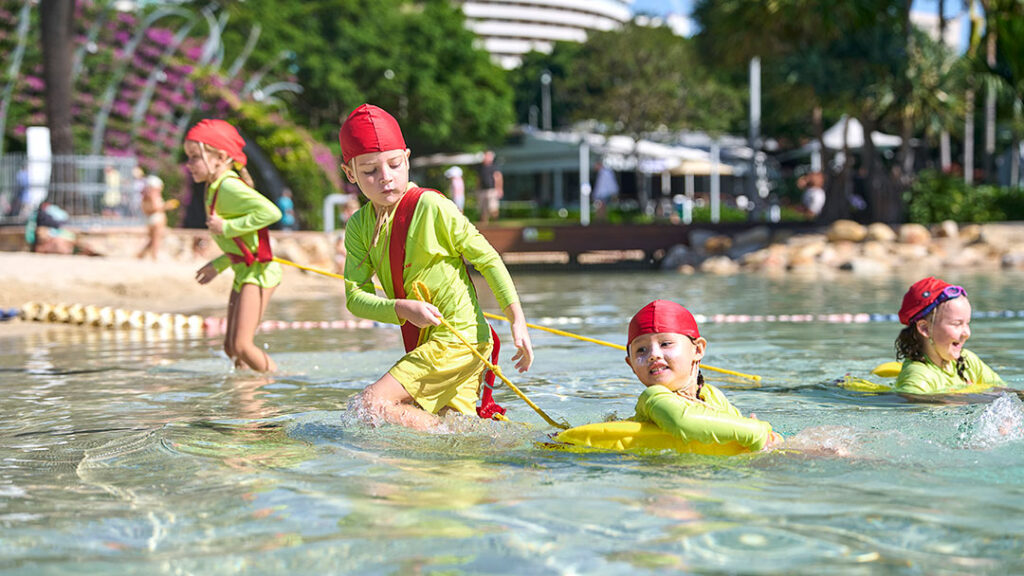
Kids learning lifesaving skills at Little Lifesavers
Little Lifesavers is a summer program that fits every family
Little Lifesavers runs as both a two-day and five-day program, giving families flexibility during the busy holiday season. Programs are held at beaches, rivers, and even pools across Queensland, so there’s likely one close to home.
- Five-day program: $180 (new participants) / $160 (returning)
- Two-day program: $165 (new participants) / $150 (returning)
New participants also receive a rash shirt and welcome pack, helping them feel like part of the team from day one. The program is registered as a Play On! activity, making it easy for families to use recreation vouchers or credits toward the cost.
Why do Little Lifesavers this summer
Australia’s coastline is breathtaking, but it demands respect. Every year, surf lifesavers perform thousands of rescues, and the vast majority involve people who didn’t recognise the danger until it was too late.
By giving kids the knowledge and confidence to assess conditions, understand warning signs, and make safe choices, programs like Little Lifesavers are helping to shape a safer generation of beachgoers.
Some graduates even go on to join their local Surf Life Saving Club as nippers or volunteers, turning early lessons into a lifelong connection with the ocean.
Parents often look for activities that will keep kids busy and off screens over summer, but it’s rare to find one that’s genuinely life-changing. Little Lifesavers manages to do both. It’s fun, it’s physical, and it gives kids skills they’ll carry with them for life.
So while your family’s packing towels, sunscreen, and snacks for another day by the water, consider adding something extra to your summer plans — a few days that could make all the difference.
Because learning to love the beach starts with learning how to stay safe on it.
For more iefas of things to do with the kids this summer, check out our HUGE SCHOOL HOLIDAY GUIDE!