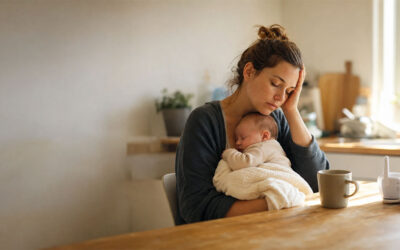
You know that feeling at the end of a long day with a newborn when something just doesn’t feel quite right? Many mums carry small niggles that linger long after they’ve mastered the juggle. These subtle signals are often your body’s way of asking for strength, stability and mindful movement — exactly what Pilates for mums offers.
1. You notice pelvic floor symptoms.
Leaking when you sneeze, laugh or lift is a common sign that the pelvic floor needs gentle re-engagement. Pilates teaches you how to reconnect these muscles and coordinate them with breath and movement.
2. Your tummy still feels hollow or unstable.
After pregnancy, abdominal muscles can remain separated, leaving you feeling unsupported through the middle. Pilates targets the deep core muscles that help restore strength, tension and confidence in everyday movement.
3. You have ongoing back, hip or pelvic aches.
Pregnancy changes don’t disappear once the baby arrives. Pilates helps rebalance how your body carries load, supporting your spine and pelvis so movement feels easier and more comfortable.
4. Your posture feels “off”.
Hours of feeding, carrying and settling a baby can round the shoulders and strain the neck. Pilates strengthens postural muscles and encourages better alignment, helping your body feel supported throughout the day.
5. You want movement that meets you where you are.
Some days you feel energised; others you’re running on empty. Pilates adapts to you, building strength and resilience without pushing beyond what your body is ready for.
Pilates isn’t about snapping back or chasing someone else’s idea of fitness. It’s about understanding your body, rebuilding from the inside out, and making the physical demands of motherhood feel more supported and sustainable.
By Nichola Stevenson
Mum, Pilates Instructor, Studio Owner and Speaker.
www.clubpilates.com.au/location/sippy-downs / 07 5445 6963
More articles by Nichola
Why Pilates is the smartest postnatal move you can make
Expert tips on how to care for your pelvic floor
The motherhood slouch, and why you can’t stand up straight anymore